
Behavior has a story.
-
I believe people make sense when we take the time to understand the full story.
Our emotions, behaviors, coping strategies, relationships, and patterns don’t develop in a vacuum. They’re shaped by what we’ve experienced, what we’ve needed, how our nervous systems have learned to respond, and the environments we’ve moved through.
In therapy, I want you to feel understood before you feel asked to do anything differently. Curiosity, compassion, and genuine connection are at the heart of the work I do.
-
My approach is collaborative, genuine, trauma-informed, strengths-based, and neurodiversity-affirming. I don’t believe therapy should be one-size-fits-all. Our work is shaped by who you are, what you’ve experienced, and what feels meaningful and helpful to you.
Together, we’ll slow down, get curious about what’s beneath the surface, notice patterns, and better understand the ways your experiences, relationships, and nervous system may be shaping what you're experiencing today.
I believe understanding creates space for meaningful change. Therapy isn’t about becoming someone different—it’s about understanding yourself more fully and deciding what you want moving forward.
-
Therapy doesn’t require you to have the right words or know exactly where to begin. We’ll start by getting to know one another and talking about what brought you in, what life looks like right now, and what you hope might feel different.
I’ll ask questions, but you don't have to tell me your entire life story in the first session. We'll move at a pace that feels manageable and build trust along the way.
Sessions with me tend to be conversational and collaborative. Some days we may explore something more deeply; other days we may focus on what's happening right now, notice a pattern, learn a skill, laugh, sit quietly, or simply make space for what you're carrying. You don’t need to arrive with an agenda or know exactly what you want to talk about.
-
I work with adolescents ages 16+ and adults who may be navigating anxiety, depression, trauma, neurodivergence, identity, life transitions, relationship challenges, or simply feeling overwhelmed by life.
Many of the people I work with have spent years feeling misunderstood, different, “too much,” overly sensitive, or exhausted from trying to meet expectations that never quite fit.
You don’t need a diagnosis or a perfectly defined reason for coming to therapy. Sometimes you simply know something feels off, life feels harder than it should, or you’re ready to understand yourself a little better.
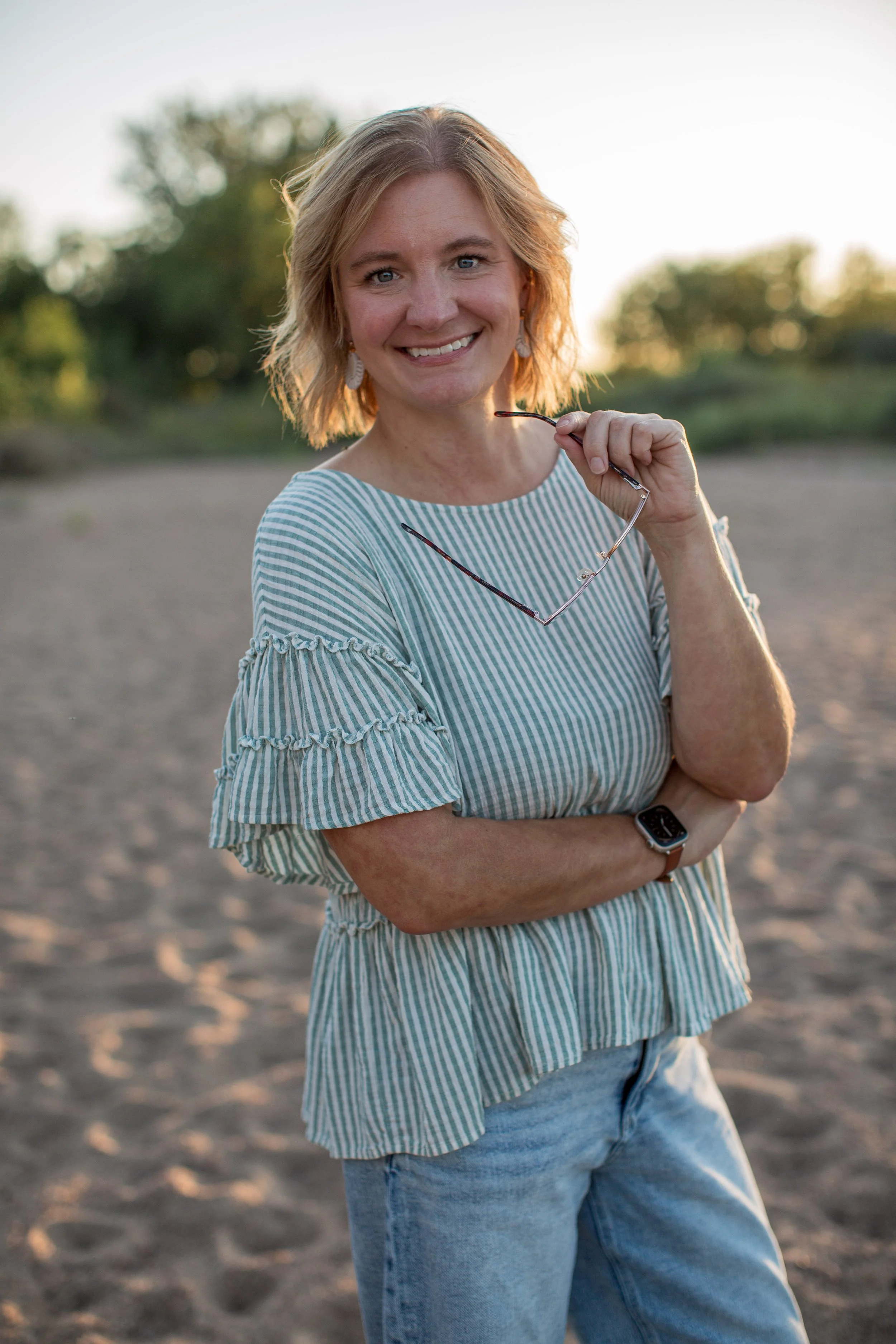
Meet Monica
I was born and raised in Colorado Springs and have called Sterling home since 2005.
Much of my career has been spent working alongside children, adolescents, young adults, and families in schools, community mental health, and other settings. My work as a school social worker has given me a unique perspective on how mental health, neurodivergence, relationships, family systems, and the environments we move through can intersect. It has also shown me how easily someone's needs can be misunderstood when we focus only on what we can see on the surface.
I've always been deeply curious about people—their stories, experiences, what they've learned to carry, and the reasons behind the ways they move through the world. That curiosity has shaped the therapist I am, but my perspective is personal, too.
Neurodivergence didn't enter my own story until adulthood. I spent much of my life without the language to understand some of the ways I experienced the world—masking, adapting, and often pushing myself beyond what my mind and body were asking of me. A significant period of illness and burnout eventually forced me to slow down and begin understanding myself differently.
I certainly don't have it all figured out, but that process gave me a deeper appreciation for what can happen when we begin understanding ourselves within the context of our brains, bodies, experiences, relationships, and environments. Sentire grew from my desire to create a practice that reflects that understanding—a place where you don't have to fit neatly into someone else's idea of what therapy, healing, or growth should look like.
Outside of the therapy room, I'm a Gen Xer, mom of three, dog lover, traveler, photographer, and reader. You can often find me spending time with my family and dogs, reading, camping or hiking, wandering through an antique store, or fully immersed in whatever has become my latest ADHD hyper-fixation.
You don't have to know yet.
You don't have to be certain you're ready for therapy or have the right words for what you're experiencing. Sometimes, the first step is simply a conversation.
My complimentary 15-minute consultation gives us a chance to connect, talk about what you're looking for, and see how it feels to talk together.
No pressure to commit. Just a chance to see if it feels like a good fit.
“The curious paradox is that when I accept myself just as I am, then I can change.”
— Carl Rogers